You've been following your plan faithfully. You feel better, your clothes fit differently, and people have started to comment. But when you step on the scale, the number hasn't moved. Or worse — it's gone up.
If this has happened to you, you're experiencing one of the most common and demoralising aspects of menopause weight loss. But here's the truth: the scale is lying to you, and it's especially unreliable during menopause.
Why the Scale Is Misleading During Menopause
Your scale measures one thing: total body weight. It can't tell you what that weight is made of — fat, muscle, water, or bone. And during menopause, several factors make the scale particularly unreliable.
Water Retention
Hormonal fluctuations during menopause cause significant water retention. Oestrogen affects how your body manages fluid, and as it fluctuates and declines, you may retain water unpredictably. This can add several pounds that have nothing to do with fat.
Changing Body Composition
If you're doing any form of resistance training or even just moving more, you may be building muscle while losing fat. Muscle is denser than fat — a pound of muscle takes up less space than a pound of fat. So you could be losing inches and gaining muscle, with the scale showing no change or even an increase.
Inflammation
As your body adjusts to new eating habits, there can be temporary inflammation — particularly if you've increased your fibre intake or changed your food choices. This inflammation can cause water retention that masks fat loss on the scale.
Hormonal Fluctuations
Even in peri-menopause, hormone levels can swing dramatically from day to day. These fluctuations affect water retention, digestion, and even how much food your body holds onto — all of which show up on the scale but have nothing to do with actual fat.
Why Inches Are a Better Measure
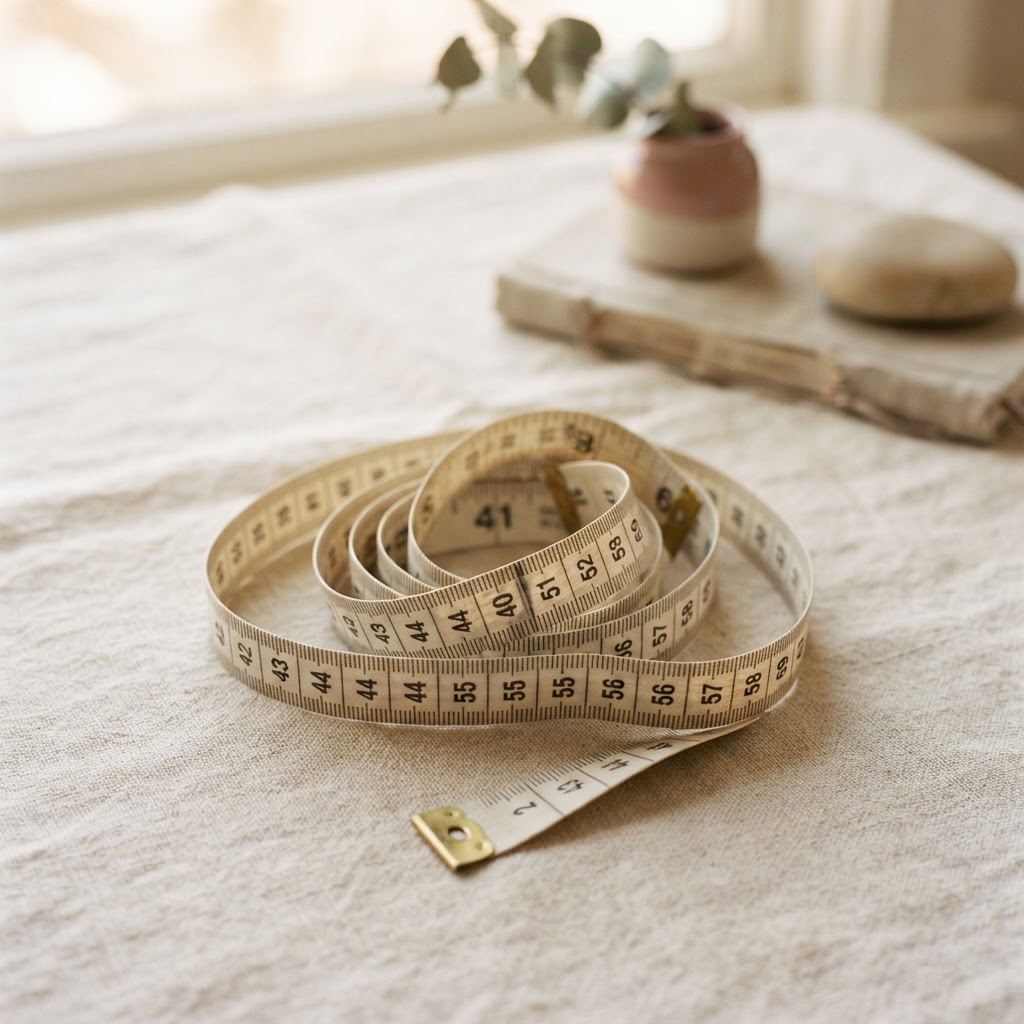
If the scale is unreliable, what should you measure instead? Inches.
Measuring your waist, hips, and other key areas gives you a far more accurate picture of what's actually happening in your body. Here's why:
- It measures fat loss directly. When you lose visceral fat — the deep belly fat that accumulates during menopause — it shows up as inches lost, even if the scale doesn't move.
- It's not affected by water retention. While water can make you feel bloated, it doesn't significantly change your actual measurements in the way it affects scale weight.
- It reflects body composition changes. If you're losing fat and maintaining or building muscle, your measurements will decrease even if your weight stays the same.
- It's more motivating. Seeing inches come off, even when the scale is stubborn, keeps you going. It's tangible proof that what you're doing is working.
How to Measure Properly
If you're going to track inches instead of (or alongside) pounds, consistency is key:
- Measure at the same time of day — morning is best, before eating
- Measure the same spots each time — under your bust, the smallest part of your waist, at your belly button, and the widest part of your hips
- Use a soft measuring tape and keep it snug but not tight
- Don't pull the tape tighter to get a smaller number — be honest
- Measure once a week, not daily — daily fluctuations will frustrate you
This is exactly why the non-surgical Two Week Tummy Tuck programme includes a progress tracking worksheet focused on measurements, not weight. The programme is designed around the reality that inches — not pounds — are the true measure of success during menopause.
What to Do When the Scale Is Stuck
If the scale hasn't moved but you're following your plan:
- Check your measurements instead. You may be losing inches even if the weight hasn't changed.
- Notice how your clothes fit. Are they looser around the middle? That's fat loss, regardless of what the scale says.
- Pay attention to how you feel. More energy, better sleep, reduced bloating — these are all signs that your body is responding, even if the scale is stubborn.
- Be patient. Hormonal weight loss isn't linear. You might see no change for a week and then drop two inches in a few days. Consistency is what matters.
The Bottom Line
If the scale isn't moving during menopause, don't panic — and don't give up. The scale is the least reliable measure of progress during this time, affected by water, hormones, inflammation, and changing body composition.
What matters is inches. What matters is how your clothes fit. What matters is how you feel. These are the true indicators that your approach is working — and they're far more encouraging than a number on a scale that doesn't tell the whole story.
The women who succeed during menopause aren't the ones who obsess over the scale. They're the ones who trust the process, track what actually matters, and stay consistent. The results come — sometimes when you least expect them.
Further reading
- Menopause Belly Fat: The Complete Guide — our pillar guide to why belly fat changes and what you can do
- Menopause Bloating vs Belly Fat — how to tell the difference
- Menopause Exercise for Weight Loss — the complete guide to exercise in midlife
- Why Can't I Lose Weight After Menopause? — the honest reasons
Frequently asked questions
Start your 14-day programme today
Put what you've learned into practice with a simple, effective 14-day plan designed specifically for women going through the menopause. Reduce inches from your waistline and feel more confident in just two weeks.