What is peri-menopause?
Peri-menopause is the transitional phase leading up to menopause, typically beginning in a woman's early-to-mid 40s (though it can start earlier). During this time, your ovaries gradually produce less oestrogen and progesterone, and your hormone levels begin to fluctuate unpredictably.
These hormonal shifts don't just affect your mood and your cycle - they have a direct, measurable impact on how your body stores fat, processes calories, and responds to exercise.
Why the weight creeps on
If you've noticed the scale creeping up despite eating the same way you always have, you're not imagining it. There are several biological reasons why weight gain during peri-menopause is so common:
1. Falling oestrogen changes where you store fat
As oestrogen levels decline, your body shifts from storing fat primarily on the hips and thighs (the "pear" shape) to storing it around the abdomen (the "apple" shape). This visceral fat is more metabolically active and more stubborn - but it's also more responsive to the right approach.
2. Your metabolism slows down
Age-related muscle loss (sarcopenia) begins in your 30s and accelerates after 40. Less muscle means a lower resting metabolic rate. If you haven't adjusted your food intake or increased your activity, those extra calories get stored as fat.
3. Insulin resistance increases
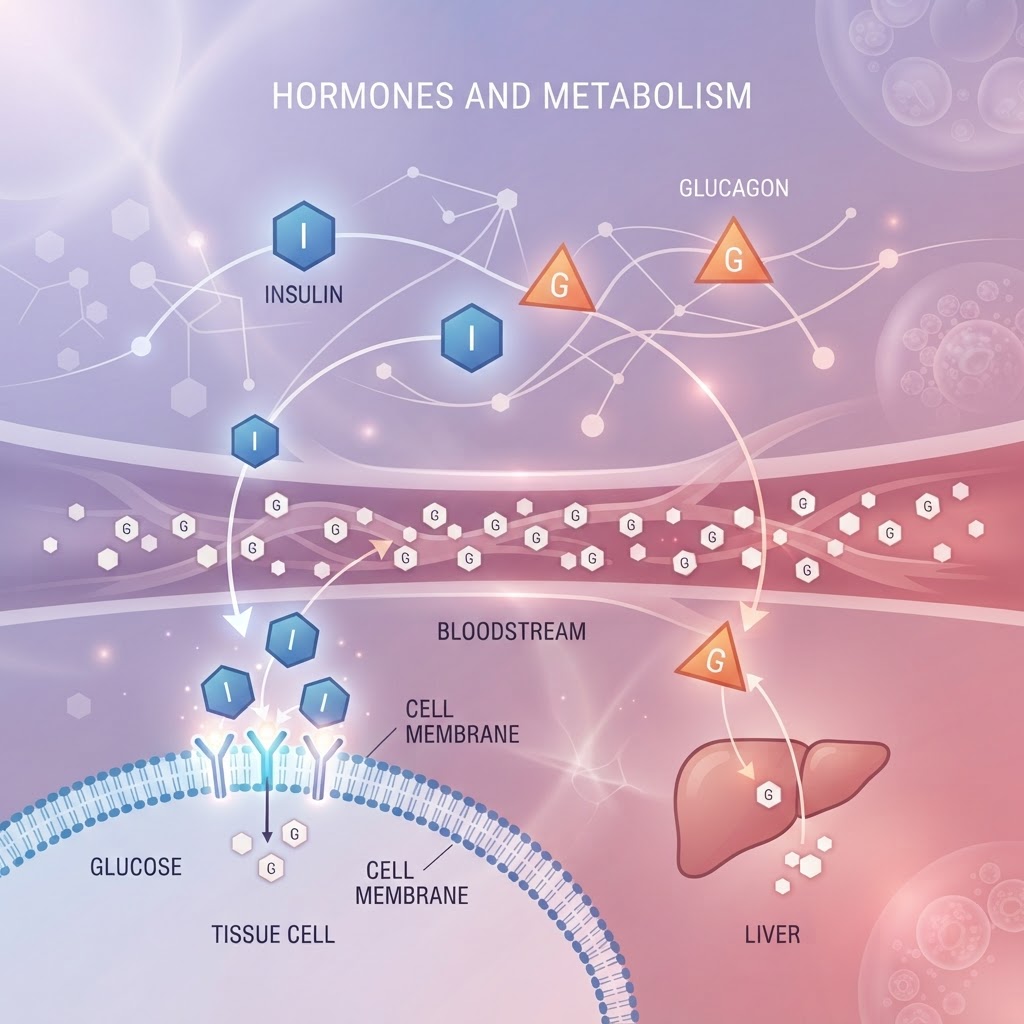
Fluctuating hormones can make your cells less responsive to insulin, meaning your body needs to produce more of it to manage blood sugar. Higher insulin levels promote fat storage - particularly around the middle - and make it harder to burn stored fat for energy.
4. Cortisol and sleep disruption
Night sweats, anxiety, and disrupted sleep are hallmarks of peri-menopause. Poor sleep raises cortisol (your stress hormone), which in turn promotes belly fat storage and increases cravings for sugary, high-calorie foods.
Why your old strategies stop working
The diet and exercise routines that worked in your 30s often stop being effective during peri-menopause. Here's why:
- Chronic crash dieting backfires. Endlessly cutting calories day after day without a strategic plan increases cortisol and accelerates muscle loss, both of which slow your metabolism further. Strategic, time-limited approaches like intermittent fasting are different - they give your body structured eating windows that work with your hormones, not against them.
- Cardio alone isn't enough. Hours of steady-state cardio can actually increase cortisol without building the muscle you need to boost your metabolism.
- Ignoring protein is a mistake. Protein is essential for preserving muscle mass during this phase. Without adequate protein, you lose muscle, your metabolism drops, and weight loss stalls.
What actually works
The good news? There are evidence-based strategies that work with your changing body, not against it:
Prioritise protein
Aim for 20-30g of protein per meal. This helps preserve muscle mass, keeps you feeling full, and stabilises blood sugar. Good sources include lean meat, fish, eggs, Greek yoghurt, beans, and lentils.
Build strength
Resistance training - whether with weights, bands, or bodyweight - is the single most effective exercise for peri-menopausal women. It builds muscle, boosts metabolism, improves insulin sensitivity, and helps regulate hormones. Aim for 2-3 sessions per week.
Focus on whole foods
Reduce processed foods, added sugars, and refined carbohydrates. These cause rapid blood sugar spikes and promote insulin resistance. Instead, build meals around vegetables, quality protein, healthy fats, and complex carbohydrates.
Try strategic fasting
Intermittent fasting - giving your body structured eating and fasting windows - can be particularly effective during peri-menopause. It helps lower insulin levels, improves insulin sensitivity, and encourages your body to tap into stored fat for energy. The key is that fasting is strategic and time-limited, not the endless deprivation of a crash diet.
Manage stress and sleep
Chronic stress and poor sleep keep cortisol elevated, making belly fat stubborn. Prioritise 7-9 hours of quality sleep, and consider stress-reduction practices like walking, yoga, or simple breathing exercises.
Be consistent, not perfect
Sustainable, consistent changes produce better results than drastic measures you can't maintain. Small daily habits - an extra serving of vegetables, a short walk, a protein-rich meal - compound into significant change over time.
The bottom line
Weight gain during peri-menopause is real, biological, and frustrating - but it's not inevitable or irreversible. By understanding why it's happening, you can take targeted, effective action rather than repeating strategies that no longer serve you.
If you're ready to put these principles into practice with a simple, structured 14-day plan, the non-surgical Two Week Tummy Tuck is designed specifically for women in this stage of life.
A structured approach, if you'd like one
Understanding why peri-menopause causes weight gain is the first step — but turning that understanding into two consistent weeks of the right meals, the right protein, and the right movement is where most women get stuck. The Two Week Tummy Tuck turns the principles in this article into a clear 14-day plan you can follow without planning every detail yourself. If that sounds like what you need, you can learn more about the programme here.
Further reading
- Menopause Belly Fat: The Complete Guide — our pillar guide to why belly fat changes and what you can do
- Insulin Resistance and Menopause — the missing link to belly fat
- How Long Does Menopause Weight Gain Last? — the timeline, explained honestly
- Why Belly Fat Increases After Menopause — the hormonal reasons behind the shift
Start your 14-day programme today
2+ inches off your waistline in 2 weeks.
Put what you've learned into practice with a simple, effective 14-day plan designed specifically for women going through the menopause. Reduce inches from your waistline and feel more confident in just two weeks.